

A Photograph Doesn't Prove Anything Anymore
What luxury image-making becomes when no one believes their eyes
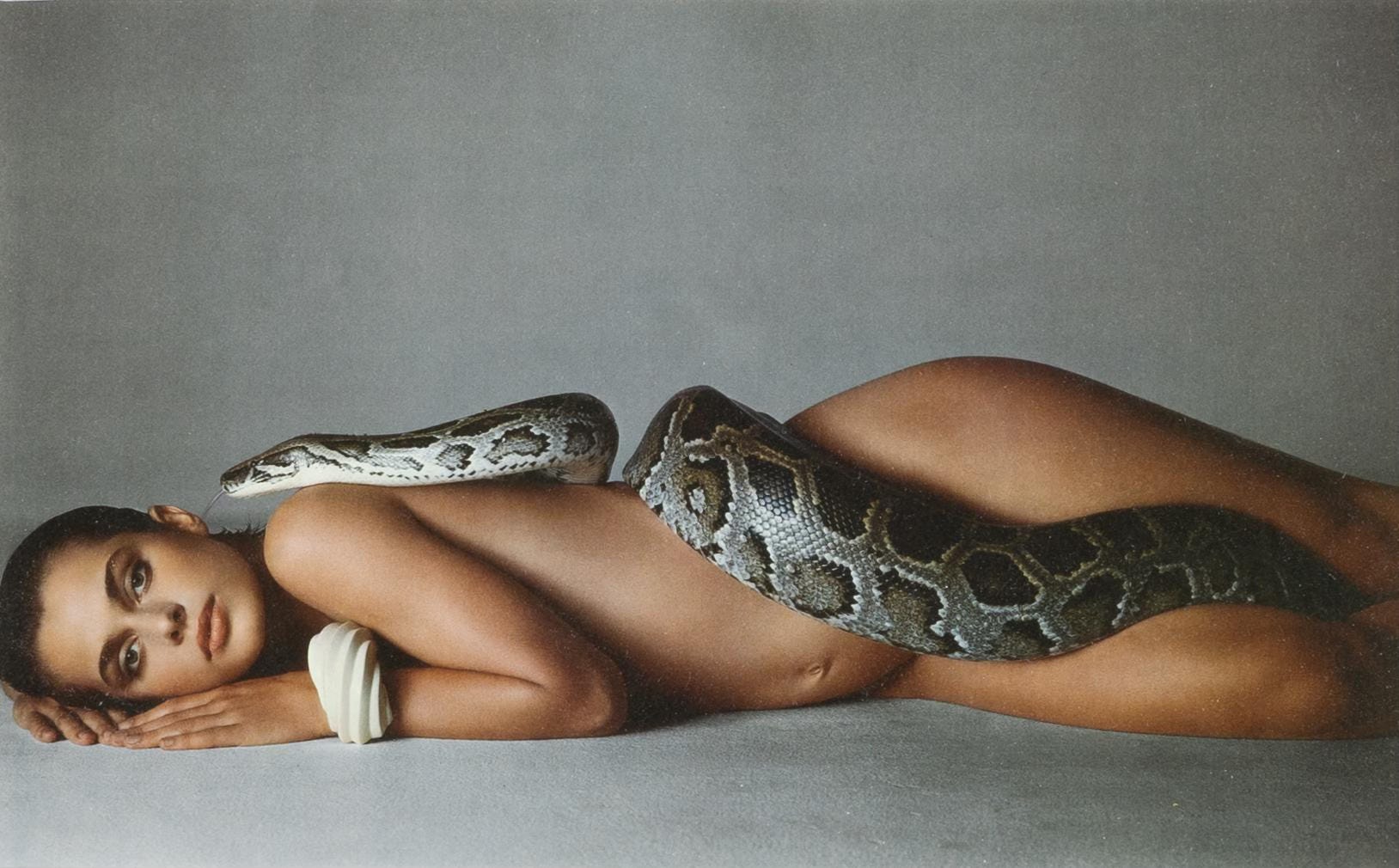
Open any major campaign image posted in the last six months that looks impressive or interesting and scroll to the comments. Somewhere in the top three replies, often the very first one, you will find a single word with a question mark after it. AI???
It is happening across every house, every photographer, every register of image-making. Campaigns that took three days on set, six decision-makers in the room and an occasional budget that would build a flat in Rotterdam are being read as machine-generated within the hour. Photographers’ studios are quietly debating whether to post behind-the-scenes footage to defend the existence of work that obviously exists. It has become a recurring conversation in every working group chat I am in, and the question underneath it is the one nobody has named cleanly yet. When Miu Miu built an entire set from scratch for their ‘On Cloud Nine’ campaign, it was celebrated because of its rejection to AI.


We are all having the wrong argument about AI.
The argument we are having is about prompts, effort, disclosure, attribution, regulation. The argument we are not having is about what just stopped working underneath all of it.
What is being called an AI problem is the death of the photograph as proof.
The photograph has been doing one quiet, enormous job in the background of every image we have looked at for a hundred years. It proved something. It carried the small, automatic claim that this happened, that someone was here, that a body and a light and a room had existed in front of a lens. Even when the photograph was staged. Even when it was retouched within an inch of its life. Even when the entire frame was a fiction, the photograph still held, somewhere in its grain, the quiet insistence that something had been there. Roland Barthes called this ça a été, that-has-been, and in Camera Lucida he argued it was the defining promise of the medium, the thing that separated photography from every other kind of image. He called the photograph a certificate of presence. That certificate has now quietly expired, and almost nobody in the industry is naming it.
What luxury was actually selling
Luxury image-making, for the last fifty years, has been built on an economic argument that depends on that promise far more than the industry has ever admitted.
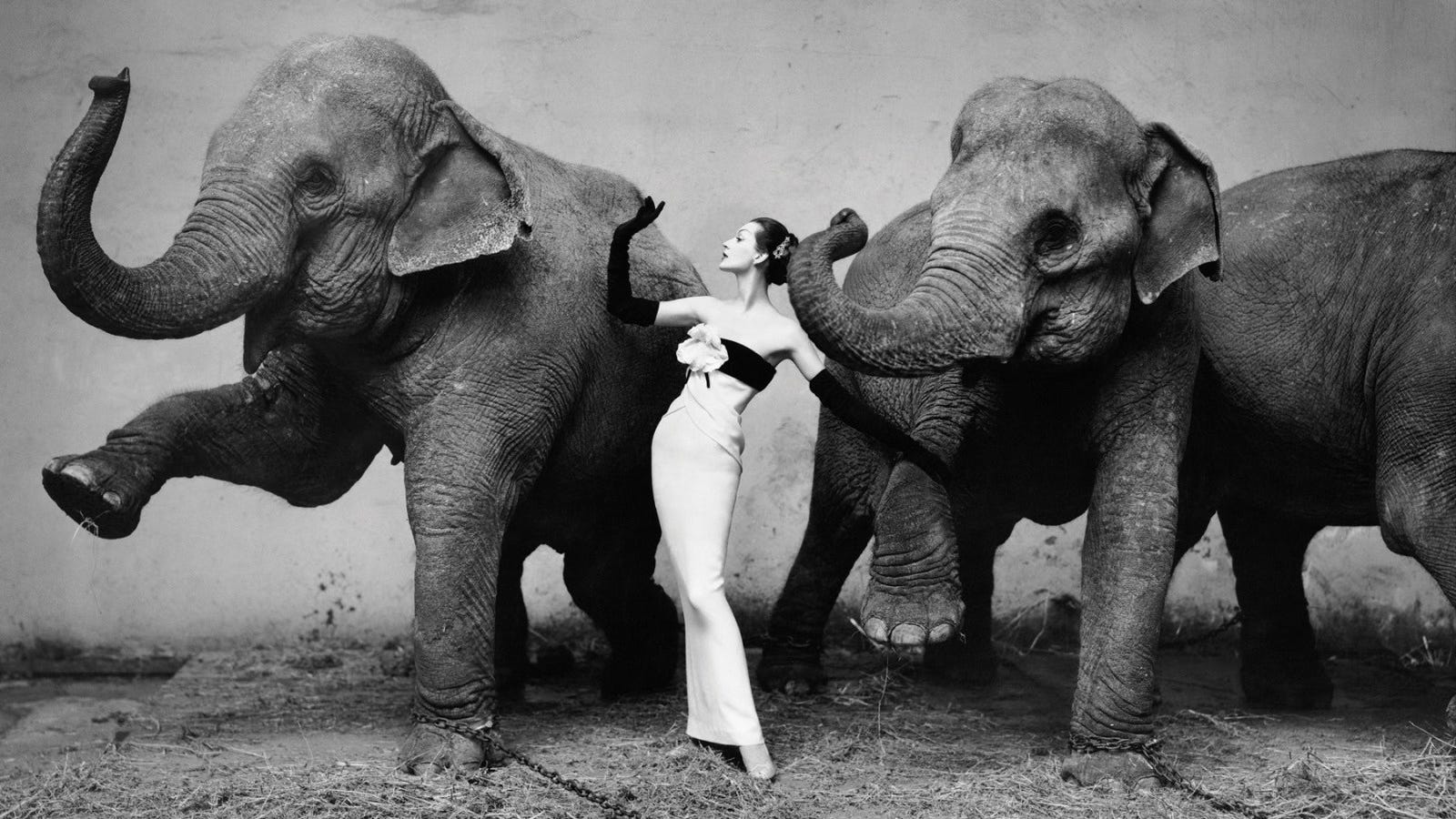
You pay for a Steven Meisel or a Mert and Marcus or a Mario Sorrenti or an Inez and Vinoodh shoot because the image carries a weight a cheaper image cannot. That weight came from one specific, almost invisible thing. It carried evidence. It held the receipt of a vast, expensive, intentional production. Newton’s pools shot at night under flash. Bruce Weber’s sunlit bodies on a beach. Avedon’s seamless white wall. You could feel the budget in the frame. You could feel the casting director, the location, the catering, the three assistants holding flags just out of shot. The image was a small object that contained an enormous amount of decision-making, and the viewer registered all of it without consciously naming it, and extended belief accordingly. Most importantly, all this to sell a beautiful dress. We believed the image and appreciated the craft which made the viewer look at the main character of the shot (the clothes) with admiration.
That argument held all the way up to about a little while ago. A campaign image that obviously cost something was assumed to have been there. Belief was close to automatic. The viewer looked and understood, without articulating it, that this was the product of a real production with real people in a real room.
The viewer no longer extends that assumption. Instead everything in an impressive image is questioned these days, and even when something obviously isn’t AI, many still tend to believe this because some people seem to have lost faith in human creativity for whatever reason.
The first read on a high-production luxury image now is suspicion. Not ‘Woow, what a wonderful shot’ or “is this expensive,” which is taken as given, but “is this real,” which is a completely different question, and the industry has not caught up to the fact that it is now the first question being asked. The expensive image and the synthetic image have collapsed onto the same visual register, because at the level of finish the eye can no longer separate them. Which means the entire economic argument luxury was built on is being hollowed out while the industry is still busy pretending the only problem is regulation and disclosure.
Luxury was selling a kind of belief the viewer has stopped extending.
Why the most polished images draw the most suspicion
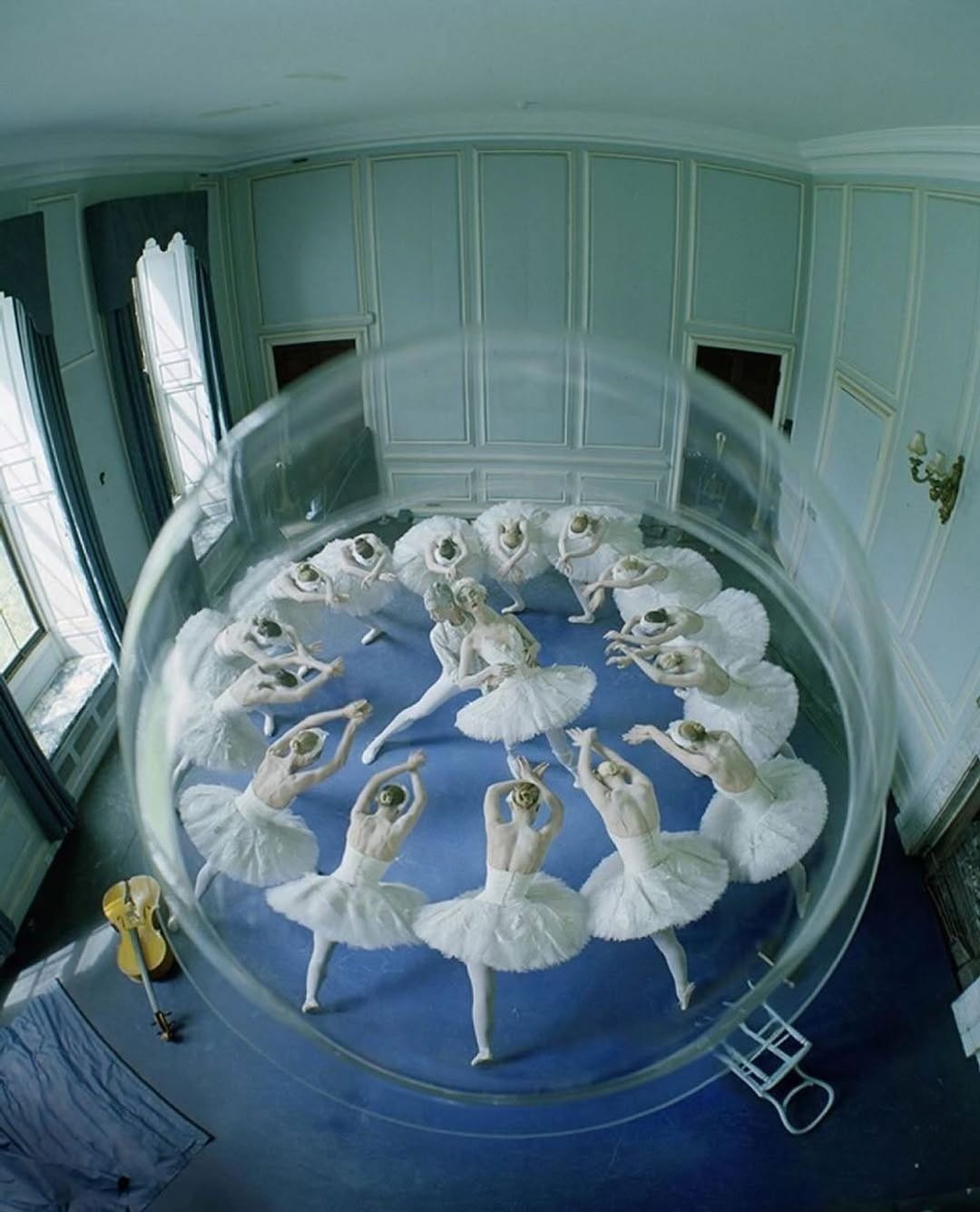
The campaigns being accused are not bad work. By every conventional measure they are actually very good work. The lighting is extraordinary. The casting is specific. The styling is the kind that takes ten years to build the eye for. The retouch is clean. None of it protects the image. The very things that used to certify value, visible care, visible budget, visible intention, have flipped, and now they are the cause of the suspicion.
This is the part the industry needs to name plainly, because I am watching brands and photographers refuse to name it and quietly panic instead. The most polished luxury images right now attract the most AI accusations. The best work in the business is being read as fake first and real second. We built a hundred-year-old commercial system on a default, that-has-been, that no longer fires. It is the strangest thing I have watched happen inside luxury fashion in the time I have worked in it and researched it.
Underneath that is the harder question a lot of working art directors are asking themselves and not saying out loud. If a beautifully executed campaign is going to be called AI within forty minutes of going live, what were the three days on set actually for? the countless briefs to set designers, revisions of the sketches, reviewing the materials, going through tons of model packages, the early call times, etc etc.. What was the budget for. What was the decision-making for. If the receipt has stopped working, if the viewer can no longer read the production in the frame, what exactly are we charging the client to do.
I obviously don’t have a clean answer to that yet, but as always I like to share my thoughts. I do notice the most thoughtful image-makers I know have started, very quietly, to do something about it. Things such as showing BTS, stories behind the craft and the original concept. The mystery is gone.


What the best work is starting to do instead
Look closely at the most considered campaigns and editorials coming out of luxury in the last twelve months and something has shifted in how the work is being finished.
Polish is being pulled back, on purpose. The retouch is lighter. Grain is being left in, or added back. The colour grade is less corrected. The mid-blink, mid-laugh, mid-step frame is being chosen over the flawless one. Shot on film is back, ESPECIALLY the light leaks and mistakes. The flaw is being kept rather than cleaned up.
The clearest version of this is happening in the work that is being mistaken for AI and turns out to be the opposite of it. When Szilveszter Makó shot Rama Duwaji for The Cut and Elle Fanning for Who What Wear, the internet immediately celebrated the natural light and handmade elements. Almost everything in those frames was built by hand in Makó’s studio out of cardboard, painted paper and recycled material, shot in natural daylight with no flash. The work reads as impossible, so people sometimes assume a machine made it, and then they discover it is the product of a process so laborious and so specific that no model could have generated it. That is the whole move. The image survives the question “is this AI” because the answer is so obviously, defiantly no.


I want to be careful here, because this is not the same as the candid-iPhone aesthetic, which I want to write about separately. That look performs casualness. What I am describing is subtler and almost the reverse. It is luxury image-making hiding its own polish, or routing its polish through a process so handmade that the human decision becomes undeniable, in order to be believed at all. The work is not pretending to be artless. It is refusing to look as frictionless as it used to, because frictionlessness now reads as machine.
The word I keep returning to is position. It is the same word I used in the taste essay a few weeks ago. What used to do the believing for a luxury image was production. What does it now is position. A visible point of view. A small, slightly awkward, decided thing in the frame that a model would never have generated, because the decision is too specific to one person’s taste, too specific to context, too specific to an argument about how a body should be lit or held or dressed. The receipt has stopped doing the work. The argument inside the frame has to do it now.
Three things worth sitting with this week
Open the last campaign you art-directed and ask yourself what in it could not have come from a prompt. If your answer is something specific, a piece of casting, a moment of light, a frame that broke the brief, that is the part of your work carrying the belief now. Make a note of it. That is the part becoming the value.
Look at the last three luxury campaigns you yourself believed, and articulate what specifically made you believe them. Not what was beautiful. What was believable. Notice how often the two are no longer the same thing. Notice how often the believable image is the one with something slightly wrong in it, slightly off, slightly resistant to the brief.


So what is a photograph proof of now?
Close to nothing.
The receipt has expired. The default is gone. Roland Barthes’ that-has-been has stopped firing in the viewer’s nervous system, and once a promise breaks at that scale, no amount of post-production craft repairs it on its own. The better news is that the people doing good work were never only relying on that promise anyway. The work was always doing more than carrying its own receipt. It was making an argument. About a body, about a kind of beauty or about a way of seeing. The receipt was the wrapper and the argument was the gift.
The next decade of luxury image-making belongs to the people who can put a defendable argument inside the frame, one that survives the question “is this AI” because the answer is obviously no, a machine could not have argued for this. That is a different craft than the industry has been training for, and a different brief than most clients are currently writing. It is also the work I am most interested in making right now, and the work I most want to see other people make.
The photograph stopped being proof. So the photograph has to become something else. I think it has to become a position. And I think the image-makers who understand that, who can put something into a frame that a machine could never argue for, are the ones whose work survives the next ten years.
I would love to hear from you on this one. What was the last luxury image you truly believed, and what specifically made you believe it.
Love,
Zoë

this is not my business AT ALL but it tracks for what i do in the world. ‘frictionless now reads as machine’ stopped me in my tracks. i notice i rarely look at magazines anymore. the imagery flat and uninviting. i have nothing more to add to your beautiful and eye opening piece of writing except to say i do apply your thinking to the world of my own creativity. thank you!
Ooo loved this article!!! I’m also really interested in what artists are doing at the moment!! Guanyu Xu printed imagery overlapping real spaces giving rooms a surreal sense that leaves us to wonder what is real and what is not. The physicality of this (similar to the Rama Duwaji shoot) and the human argument on questioning what is real is a position that feels so not ai.
https://www.yanceyrichardson.com/artists/guanyu-xu?view=slider#7