

The Editorial Budget Collapse
Where the money that built modern visual culture went, and what working image-makers can do now that scale and time are gone
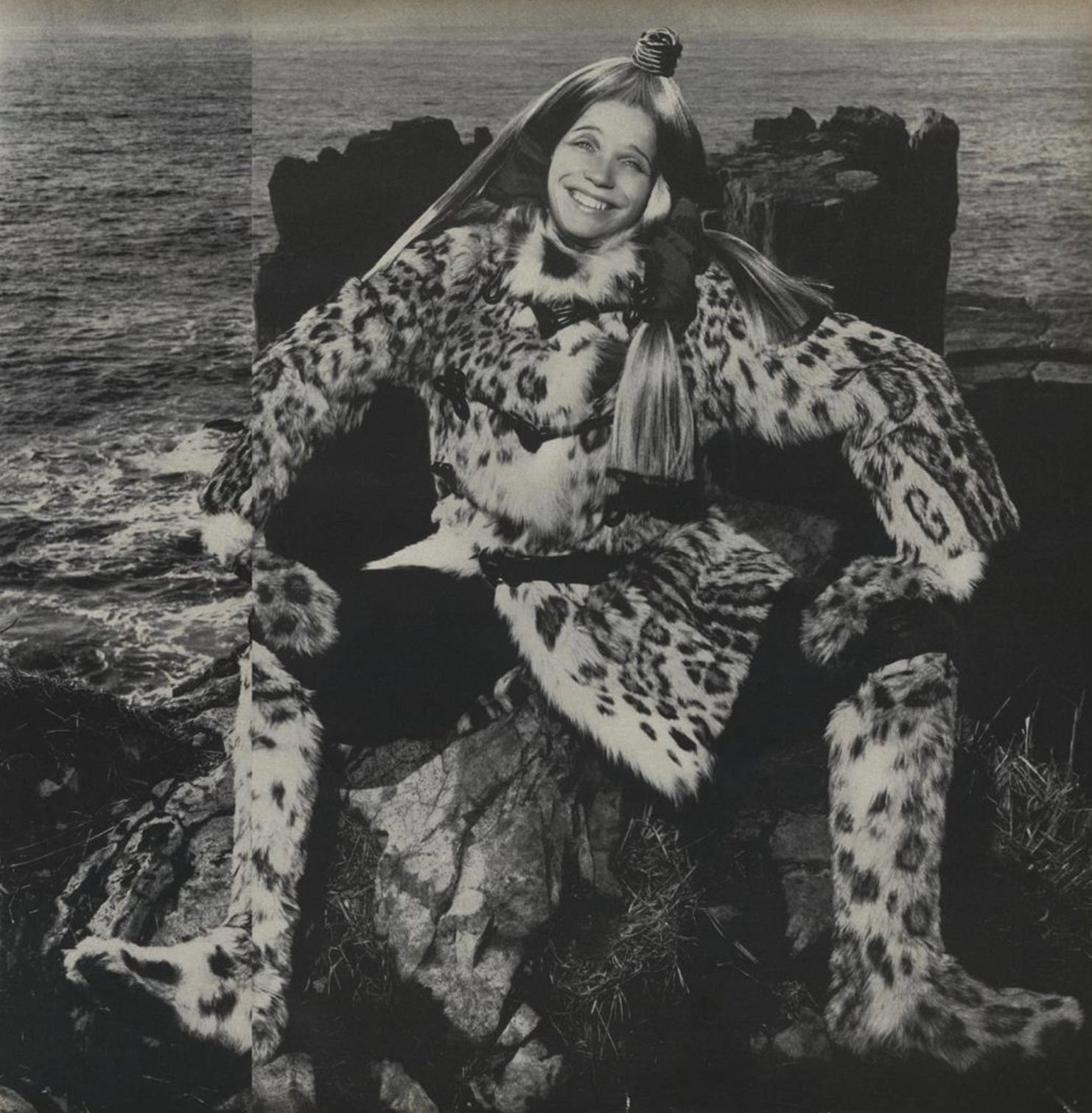
In one of the scenes of The Devil Wears Prada 2, Nigel is talking to Andy during lunch. He pauses for a second and says something close to this: we used to camp for four weeks in Africa with Avedon, and now we’re lucky if we get two days in Milk Studios.
The audience laughed and so did I because it genuinely just felt so accurate, but it was somehow bittersweet. Most of the people sitting in that cinema always dreamed of working in fashion, but very likely not the fashion it is today (fast-paced, attention culture front and centre, fighting with ai etc etc.). The generation that grew up with fashion magazines, Sex & the City and Gossip Girl, the September Issue film and glamorising what it would be like to come up with amazing photoshoot ideas, selling a fantasy.
The line is doing more work than the script probably intended. Nigel is a fictional art director, but the gap he is describing is real, and it is the single most under-discussed dynamic shaping fashion image-making right now. Editorial budgets have collapsed, and the visual culture they used to produce is collapsing with them.
The reference is dramatic shorthand. The legendary Avedon shoot was not actually in Africa, it was five weeks in Japan in 1966 with Polly Mellen and Veruschka, and at the time it was the most expensive fashion shoot Condé Nast had ever commissioned. The specifics don’t matter. What matters is that the line evokes an era when the editorial system paid for time, place and ambition at a scale that working art directors today have simply never experienced, and will very likely never experience.
That scale built the canon. The Avedon shoots, the Newton epics, the Bourdin sets, the Meisel productions, the Roversi sittings. All of it was financed by magazines spending money that magazines no longer have. The photographs that defined how fashion looks, what fashion means and what a fashion image is even allowed to argue, were almost entirely funded by an editorial machine that no longer exists in the same form.


Where the money used to go
Editorial was the research and development department of fashion image-making for the better part of forty years. A magazine would commission a story. The story would have a budget that allowed for travel, location, multiple models, a full team, a long shoot day or, in the major cases, several weeks. The photographer would deliver maybe five to twelve images. The styling, art direction, casting and post-production were all part of the same financed project. And the resulting work was where the next generation of advertising campaigns, brand identities and creative directors found their visual language.
It was an indirect system. Brands paid for the magazine through advertising. The magazine paid for the editorials through that advertising revenue. The editorials produced the images that defined the era. The era then fed back into the brands’ commercial work. The money flowed in a circle and everyone in the circle benefited from being part of it.
The system worked because the editorial was the prestige product. Brands wanted to be in it. Photographers wanted to shoot for it. Stylists, models, set designers, hair and make-up artists, producers, all wanted to be on the credits page. The whole industry organised itself around the editorial because the editorial was where the work that mattered actually got made.


Where the money actually went
You might wonder, where did all this money go? It didn’t vanish really, but it actually got redistributed across many channels.
Three big shifts happened, mostly between 2010 and 2020, and they happened at the same time.
The first shift was advertising leaving print for digital and social. Brands realised they could spend on Instagram and reach far more people more cheaply than buying a Vogue ad. The advertising revenue that funded the editorial system started draining out.
The second shift was brands going direct. Instead of paying a magazine to commission an editorial that featured their clothes, brands started commissioning their own content. Campaign films, brand books, content series, social-first shoots. The image-makers who used to shoot editorials are now shooting branded content directly for the houses. The money is still being spent, but it is being spent on work the brand fully controls.
The third shift was the cover becoming a celebrity property. The cover used to be the showcase of the magazine’s image-making. Now it is largely a press deliverable for the celebrity, with the celebrity’s team controlling stylist approval, photographer approval, image approval and rights. The cover budget still exists, but the editorial freedom that the budget used to underwrite has been transferred to the celebrity’s publicist. But even for brands, they had to compete with these celebrity names so they pay tons of money for celebrities to be in their campaign instead of just being seen on the red carpet. This leaves so much less money for the creative idea, because the face is doing the heavy lifting. And even less money for the creatives actually executing a mediocre idea.
The net effect for working image-makers is that the editorial system that used to pay for the conditions that produced the canon is now running on a fraction of its former revenue, with a fraction of its former freedom, and with a far higher number of deliverables per shoot day.
It is now possible to walk onto a major magazine cover shoot and have one day to capture the cover image, a back-of-book story, a behind-the-scenes video, social-first vertical content, two Instagram Reels, a TikTok teaser, and a stills package for the celebrity’s team to use across their own channels. All on the same day. With the same photographer. With the same crew.
That is not the same job that produced the canon, that is a different job entirely. As someone who has worked with big name celebrities before as an art director, I like to call it a military operation. So much goes into logistics and coming up with creative ideas to capture as much in a short time so all channels are happy, that it doesn’t fully matter anymore how great the original concept was. The deliverables will always be overwritten by the creative.
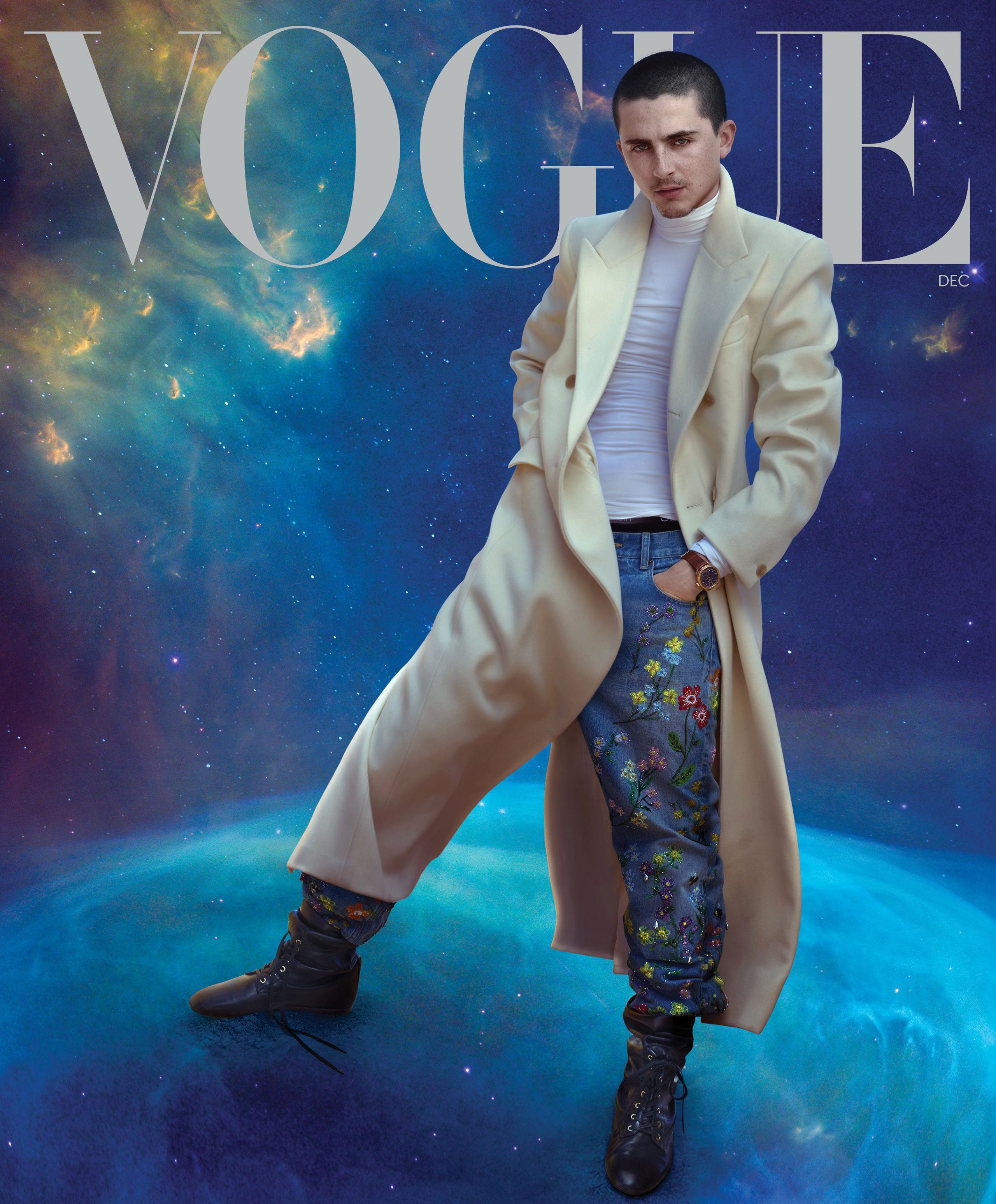
Why most major covers look the way they look
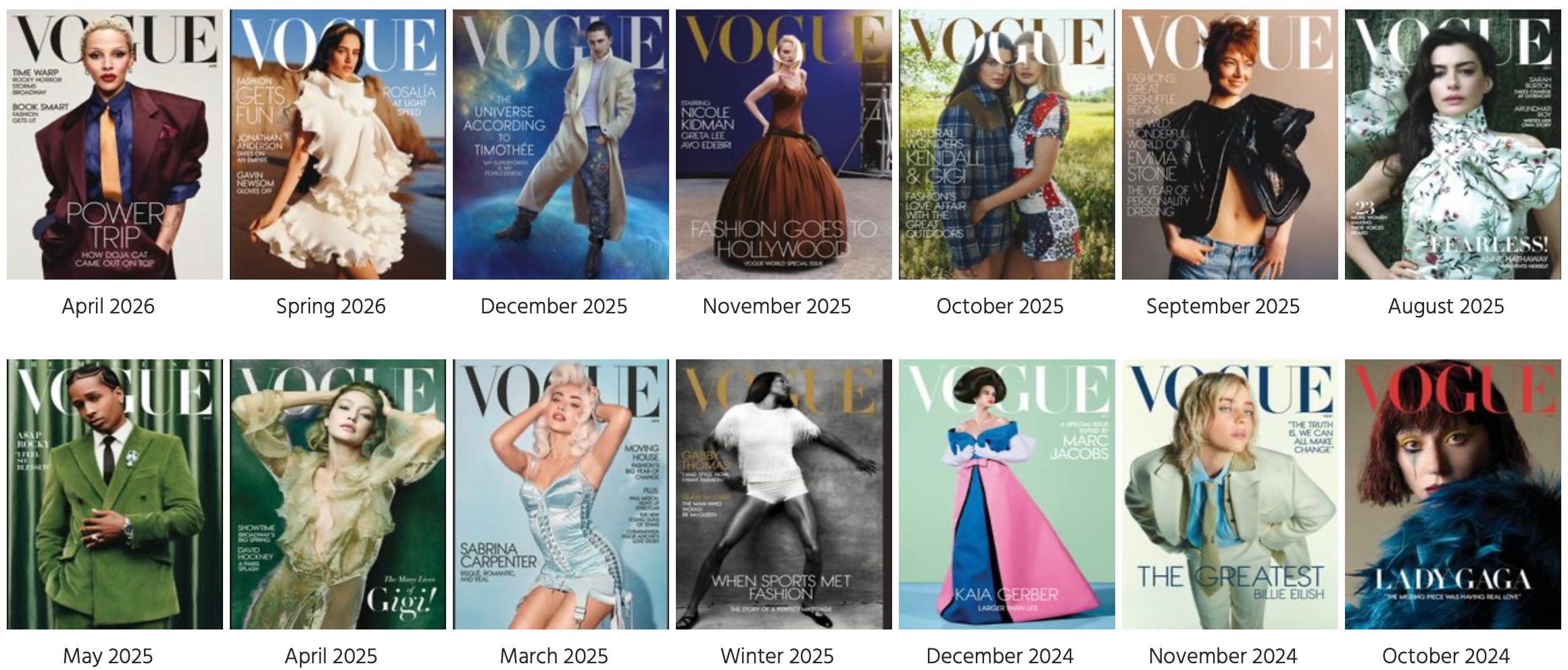
If the cover has become a celebrity press deliverable, and the deliverables have multiplied while the day has shrunk, the only logical output is what we see now. Most major covers are technically competent, visually safe and visually forgettable.
The argument is not that celebrity covers are inherently weaker than non-celebrity covers. The argument is that the format has collapsed the brief. When a publicist’s veto list is longer than the photographer’s mood board, when the agent has approval on which crop appears on the cover, when the four-hour shoot window has to deliver 25 things, the photographer is not making a cover. The photographer is taking a press shoot with the magazine’s logo printed over it.
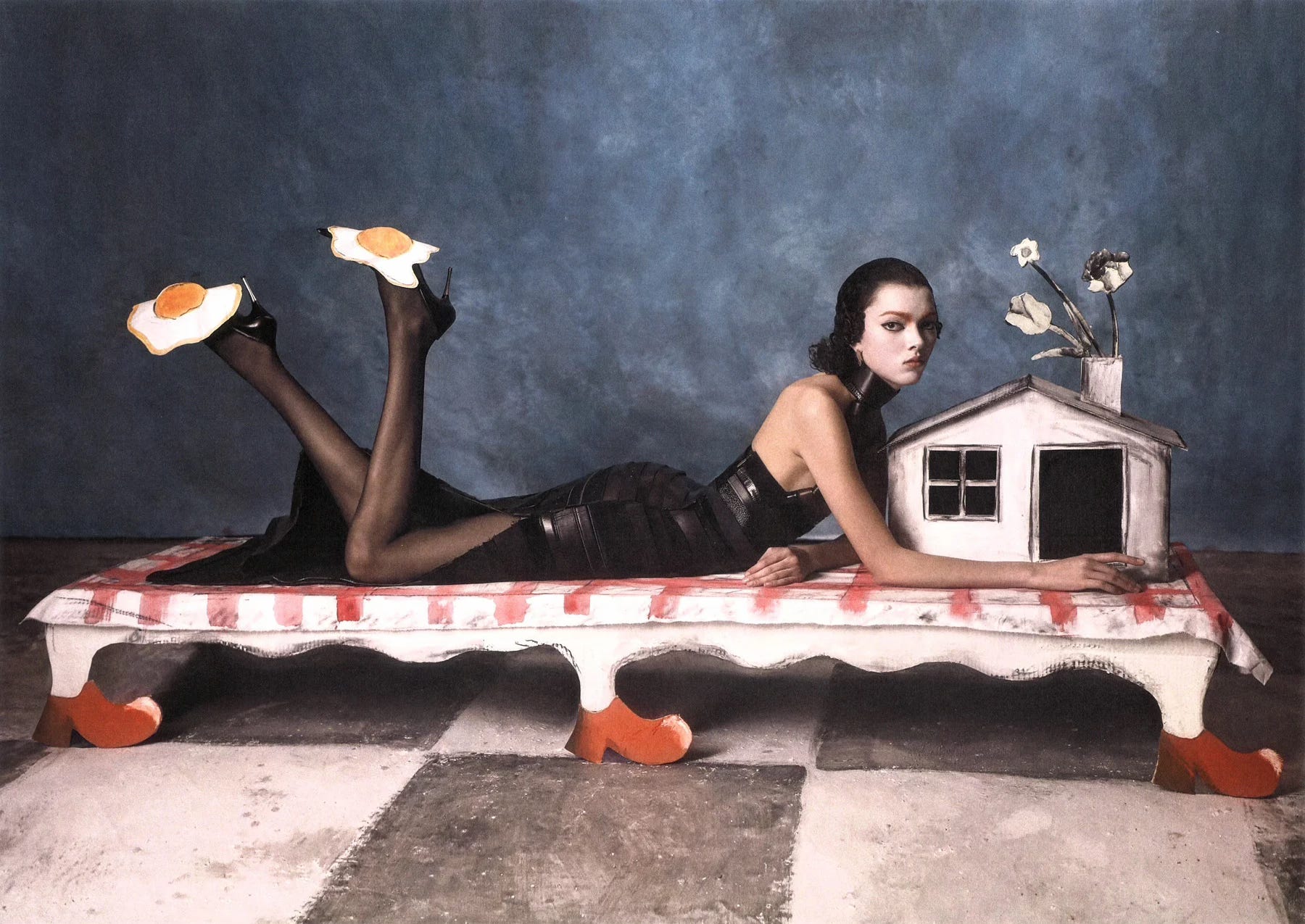
This is why the editorials that move the needle now almost always come from one of two places. Either a photographer with enough commercial revenue from brand work to self-finance an editorial project they care about, basically getting a platform for their own creative ideas. Or an independent magazine running on goodwill and a network of creatives willing to work for credit and the chance to make something good.
Both of those models have something in common. The money is no longer coming from the magazine. It is coming from the photographer, the team, or the brand directly. The editorial is being made on top of the magazine’s masthead rather than because of it. Ofcourse magazine editorials are not always unpaid, but for most people on the team it’s more a credibility thing now than something they could live off.
What this does to visual culture
This is the part of the conversation that gets the least attention and matters most!
When budgets shrink, scale disappears. When scale disappears, the kinds of images that can be made shrink with it. A shoot built around four weeks in a remote location produces a different kind of image to a shoot built around eight hours in a studio with social deliverables stacked on top of it. The first is a meditation. The second is a transaction. Both are valid forms. Only one of them has historically pushed visual culture forward.
The work that defined fashion image-making in the second half of the twentieth century pushed visual culture because it was slow, expensive and remote. The slowness gave the team time to make choices. The expense gave the photographer permission to take risks. The remoteness gave the work a sense of place that anchored it in the world. Strip those conditions out and you do not get the same kind of image with a smaller budget. You get a different kind of image entirely. One that is closer to documentation than to argument.
This matters because the images that argue something are also the images that build culture. The Bourdin shots that argued for surrealism in commercial photography, bascially his grandiose images got trickled down. The Helmut Newton shots that argued for power as the subject of the fashion image. Even the Corinne Day shots that argued for the body without the gloss the industry had insisted on for a decade. Each of those bodies of work needed either budget, space or freedom to exist, and each of them changed what fashion images could do afterwards. Then these editorial images are the blueprint for what happens in commercial photography, today neither of them are really.
When the budget goes, the argument-making images don’t disappear entirely. They migrate. They start appearing in independent zines, in self-financed editorials, in artist books, in exhibitions, in personal Substack publications. They stop being the main product of the industry and become a side project of the industry’s most senior or most stubborn working practitioners.
That migration has consequences. The images that build visual culture are now harder to find, harder to fund and harder to circulate. The mainstream of fashion image-making is getting flatter while the work that pushes the form is being driven further to the margins. The people who suffer most are the working art directors and image-makers at the start of their careers, who are inheriting a system where the conditions that produced the work they admire have been quietly dismantled and their work often isn’t in favour of the algorithm either.
The AI question
I wrote in a recent essay about where I think fashion image-making is heading in the coming years, and the counter-reaction to AI that I think will push image-making back toward humanity, intimacy and the visible hand of the human image-maker.

That counter-reaction is real. But it is happening inside an industry that no longer funds the conditions that produced the humanity in the original images. The four-week shoot with the close-knit team in a remote location is what built the trust and intimacy that the great editorial photographs hold. You cannot reproduce that intimacy in eight hours in Milk Studios with a publicist standing behind the photographer. You can fake it, but the resulting image is closer to performance than presence.
This is the structural problem the AI conversation tends to skip. The argument that humans will out-photograph AI rests on the assumption that humans still have access to the conditions that allow them to make distinctly human images. They mostly don’t. And the budget collapse is the reason.
The most honest reading of where image-making is heading is that the human counter-reaction will only produce work as strong as the conditions allow it to. The image-makers who can self-finance their own conditions will produce the strongest work. The image-makers who cannot will be left making competent transactional images that AI can plausibly replicate, because the conditions for making anything else have been removed. And then there is the group of highly creative geniusses who are capable of actually creating original ideas on low-budgets, but are incredibly hard to find because they are dependent on the algorithm and we all know that the algorithm doesn’t love unfamilliar images…
In order to beat the ai image-making on a lower budget we can conclude it can either come from, like I mentioned in my other post to show the human craft on purpose and lean into that, be incredibly creative and innovative or invest a big portion of money into your editorial work.
What working image-makers can do about it
The diagnosis is not the prescription. The industry is what it is. Working art directors and image-makers have to navigate it from inside and make the most of what it is.
A few things are worth holding in mind.
Pitch budget transparently. Most working creatives at editorial level still treat budget as a polite thing to avoid discussing in the brief. The photographers and art directors who are getting their best work made are the ones who name the budget required to make the work properly, and accept that some publications will not be able to meet it. Better to know early than to compress a vision down to what a starved budget can support.
Push for one strong image over six adequate ones. This is the move that resists the deliverables-stacking dynamic. If you can hold the line on the brief, you can produce one image that anchors the editorial. The rest can be supporting material. The single strong image is what circulates and what gets remembered.
Build self-financed projects with clear publication outcomes. The strongest work being made by mid-career image-makers right now is being produced outside the editorial system entirely. Self-initiated shoots with a target publication in mind. Personal projects shopped to magazines as finished editorials. Zines and artist books that exist on their own terms. The economics are difficult but the creative control is total, and the work travels.
Co-finance with brands directly. Skip the magazine as middleman where you can. Pitch the editorial to the brand directly, with the magazine as a placement outcome rather than the funder. This is increasingly how the strongest editorials are being made.
Use the platform model to fund the practice. A working audience that pays attention is now one of the most valuable things a creative can build. Whether that audience is on Substack, on Patreon, on an email list or on a sustained Instagram practice. The economics of paid attention are still being figured out, but the people building audiences now are the ones who will have the most flexibility in what they choose to make over the next ten years.
Where this leaves us
The money left the page. It didn’t disappear, it moved and got distributed. Most of it now sits in brand budgets, advertising platforms and celebrity ecosystems. The editorial system that paid for the canon is running on a fraction of its former revenue. The conditions that produced the great fashion photographs of the last forty years have been quietly dismantled.
The appetite for those images is still there. People still want to be moved by fashion photography. They still want to argue with it, react to it, save it, frame it, send it to a friend. The work that produces that response is harder to make and harder to fund than it has been at any point in living memory, but the audience for it has not gone anywhere.
The image-makers who figure out the new financing model for the great editorial are the ones whose work will define the next decade. Not the ones who lament the lost conditions. The ones who build new ones.
That is the conversation worth having. Not where the money went, but what comes next.
Where do you see the money actually going inside fashion image-making right now, and what is it producing? I’d love to know which projects you think are doing the most interesting work with the budgets that do exist.
Love,
Zoë

Loved this read
I remember when ı was around 7-8 ı would walk with my mother to and from her work sometimes, and we would stop at this small shop to buy gum or a magazine for me that had stickers in it, and ı would see a variety of magazines that had interesting-looking photos on their covers. Since I was a child whose only interest was collecting stickers and drawing my favorite characters, they were not exactly my thing, but ı remember they existed very vividly. Now though wherever ı go that sells magazines of any sort, whether about fashion, or health or makeup it just looks like bunch of brands got together and put as many logos as they can on the pages and said here buy this because we are not gonna offer anything else. It's honestly just sad.