

The Difference Between Creative Talent and Trajectory
Understanding trajectory, positioning, and how creative careers really unfold
Hi everyone,
As January comes to a close, I wanted to share something I’ve been quietly preparing in the background. In March, the next round of Strategic Art Direction begins. Over the past years, I’ve built this 8-week programme around one central question I kept seeing repeat itself: why do so many capable creatives struggle to move forward, even when the work is strong? Why is art direction such a misunderstood career and how do you actually become one?
The answer is rarely talent, but it’s orientation and knowing exactly how the industry operates.
The 8-week programme is designed for people who want to understand how the creative industry actually works, whether you’re starting from scratch, shifting direction, deepening your practice as a photographer, stylist, or set designer, building a business of your own, or already working as an art director and feeling ready for more aligned, higher-level work.
Inside, I share the frameworks, language, and decision-making processes that are often learned informally or kept behind closed doors. Both hard skills, soft skills, positioning, developing your own signature and pitching for clients are taught. Over 56 lessons, audio recordings, and guided exercises, the focus is on clarity, positioning, and long-term direction.
In February, I’ll begin sending private invitations to the waitlist.
If you’re curious whether the programme fits where you are right now, you’re welcome to DM me, or sign up to the waitlist below.
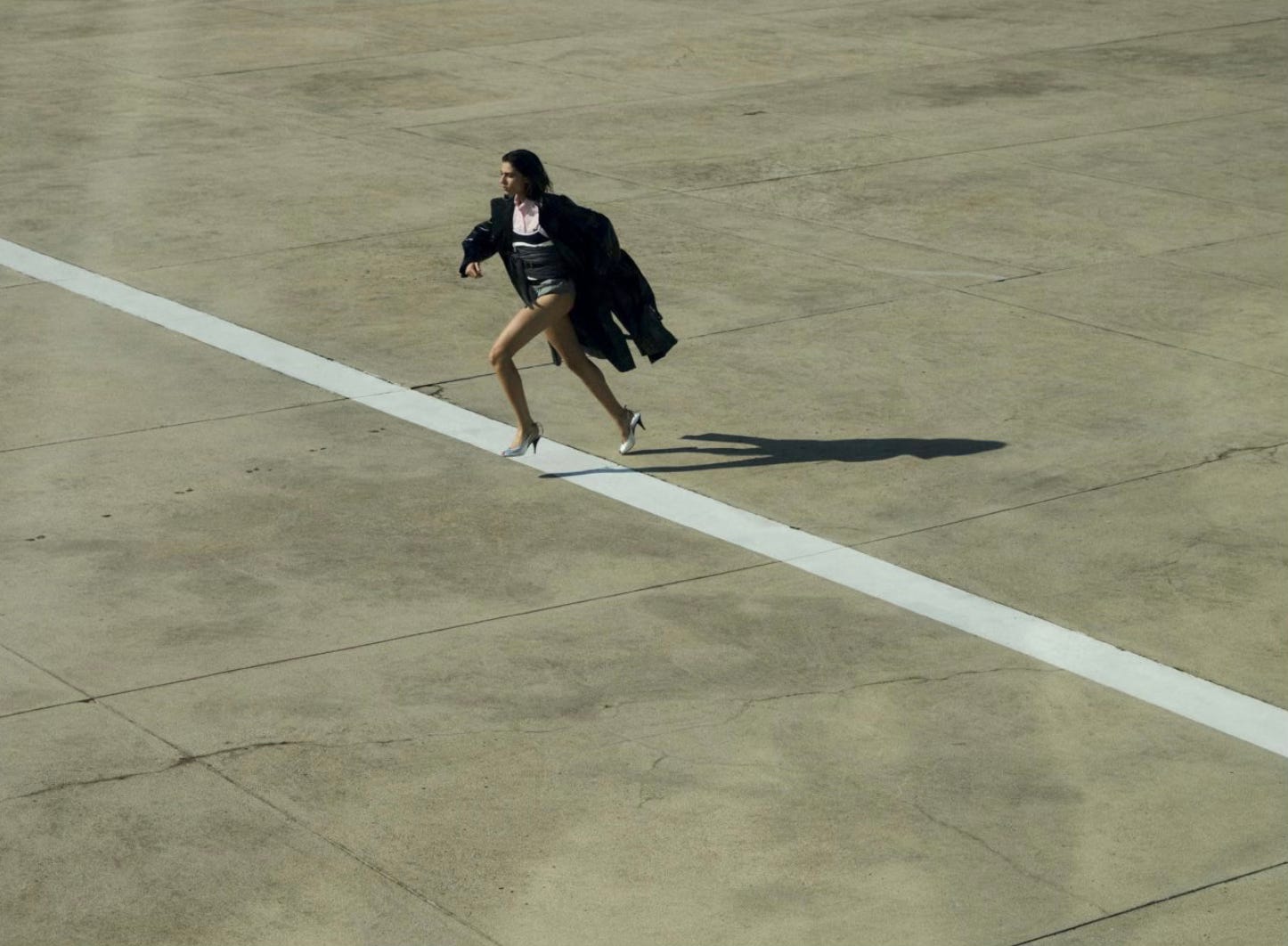
On today’s topic, in which I’d like to talk about the difference between talent and trajectory. I often feel like comparison really is the thief of joy, but when we see another talented creative, we compare our talent. What a lot of people don’t realise is that trajectory is equally, if not important to make it today.
Talent is easy to recognise, often early in life. You can see it in skill, taste levels, sensitivity and creative instinct from early on. In creative fields especially, talent often arrives early and clearly. You can see it in portfolios, early work, in references and in how someone talks about images and ideas. It tends to draw attention fast.
Trajectory moves differently and means something else.
Your creative trajectory is slower, quieter, and harder to measure in the moment. It is slowly accumulated project by project, every tiny seed you plant through daily activities (introductions, working on personal projects, meeting people, getting inspired) and doesn’t have anything to do with so called ‘brilliance’. Through the direction someone commits to, the environments they place themselves in, and the choices they repeat long before there is any visible reward.
This difference matters more than most creatives are told.
Many people assume that if talent is strong enough, the rest will follow naturally. If they create amazing projects and invest money in these projects, all their dreams will come true. That opportunities will arrive as a response to quality alone. In reality, the creative industry rarely ever functions this way. Progress is shaped less by what someone can do, and more by how clearly their work points somewhere.
Talent describes capacity.
Trajectory describes intention sustained over time. Delayed satisfaction.
You can have immense talent and still move in circles. In fact, I often see amazing creatives with the best work not landing any jobs, while some ‘average creatives’ land some of the best gigs with dream clients. You can also have a quieter skill set and build a career that unfolds with clarity and momentum. The distinction sits in how decisions are made once the initial excitement of being “good” fades.